Matchday Without the Motorcade: Junior Football Taxis from Liphook
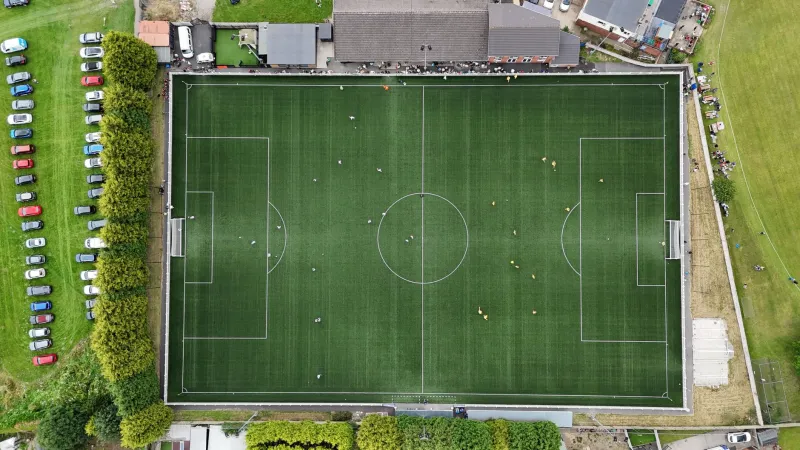
Saturday morning in Liphook often starts the same way: a fixture list on the fridge, a kit bag by the door and a group chat asking who can drive. Junior football away days are brilliant, but the logistics can turn a simple match into a small military operation. For 2026, more local families are skipping the six-car convoy and booking a shared taxi instead. It is not about replacing the team bus or the parents who love a touchline brew. It is about giving everyone a calmer option when the ground is twenty minutes away, the car park is full, and the return leg clashes with lunch, work or a sibling’s birthday party.
Start with the fixture list, not the phone
The best matchday taxi plans begin when the fixtures land, not at 8am on the morning of the game. Pick the away days that genuinely need help: grounds around Haslemere, Bordon, Petersfield, Farnham, Midhurst or Grayshott can look simple on a map but turn awkward when several families are heading to the same place at the same time. Ask the coach or club secretary for the exact ground postcode and the drop-off point. A satnav pin for the leisure centre is not much use if the pitch is at the far end of a field with one narrow entrance.
Once you know the destination, work out who needs a lift. Some players will travel with parents, some will be dropped off, and some will need a hand. A shared booking works best when one parent acts as lead booker and keeps the list simple: names, pickup addresses, mobile numbers and whether anyone needs a booster or child seat. Tell the taxi operator the ages of the passengers when booking, not when the car arrives.
One booking, three families, fewer cars in the car park
Shared taxi bookings are the heart of a good junior football matchday plan. Instead of four cars doing the same trip, two or three families can split a larger vehicle and arrive together. That cuts the queue at the ground, reduces the parking scramble and gives the players a bit of matchday buzz before kick-off. It also means the adults can share the cost rather than one parent quietly absorbing every away-day fuel bill.
Be realistic about numbers. A seven-seater is not automatically a kit van. Ask the operator a plain question: will this vehicle take four players, two adults, three kit bags and a goalpost bag? If the answer is vague, ask again. Boot space matters as much as seats, especially when winter weather means everyone is carrying a coat, a change of clothes and a bag that smells like a wet dog.
Muddy boots, kit bags and the boot-space conversation
Junior football is not a clean sport. Muddy boots should travel in a boot bag or a sturdy carrier bag, not loose in the footwell. Wet socks and shin pads should stay with the player who owns them. A simple rule helps: every player brings one bag, every bag closes, and nothing goes on the seats. If a kit bag is soaked through, double-bag it before the taxi arrives.
Goalpost bags need their own conversation. They are long, awkward and easy to underestimate. Tell the operator when booking if one is coming, and check whether the vehicle can take it without blocking the aisle or forcing someone to sit with a pole across their knees. A little honesty at the booking stage saves a lot of shuffling at the kerb.
Pickup timing: the buffer that saves the warm-up
Aim to arrive at the ground with enough time for the coach’s meet-up, the warm-up and the inevitable hunt for the right pitch. For most junior away games, that means planning to be there fifteen to twenty minutes before the players are due to gather. Build in extra time for multiple pickups, Saturday traffic on the A3 and the sort of weather that turns a five-minute drive into a fifteen-minute crawl.
Give the driver the full pickup order rather than a string of separate messages. Confirm who is travelling, where the bags are going and which adult is the main contact. If the match is in November or December, when the light is thin and the pitches are heavy, book earlier than you think you need to. A calm start is worth more than five extra minutes in bed.
The return leg: sort it before kick-off
The return leg is where good plans often fall apart. Do not wait until the final whistle to work out who is going where. Decide before kick-off whether the taxi is coming back to Liphook, doing a split drop-off or waiting for a later finish. Pre-book the return for the expected end of the match plus a sensible buffer, and keep one parent as the contact for the driver.
If the game runs late, or the team stays for a quick post-match chat, a waiting charge may apply. That is normal, but it helps to know the plan in advance. If some players are being collected by parents and others are in the taxi, make that clear in the group chat so nobody is left standing by the clubhouse wondering which car they are meant to be in.
What to tell Liphook Taxis when you book
When you ring or book online, keep it practical. Give the date, the pickup time, the return time, the full pickup addresses and the ground details. Say how many players and adults are travelling, and mention any kit bags, goalpost bags or muddy boot bags. If a child uses a booster, say so at the booking stage. If the plan changes, tell the operator as early as you can rather than at the kerb.
A good local taxi booking for junior football is not about turning matchday into a corporate transfer. It is about giving families a sensible option when the convoy gets silly. One shared ride can take the pressure off three households, keep the car park quieter and get the team to the touchline with less fuss. On a wet Saturday in 2026, that is worth a lot.