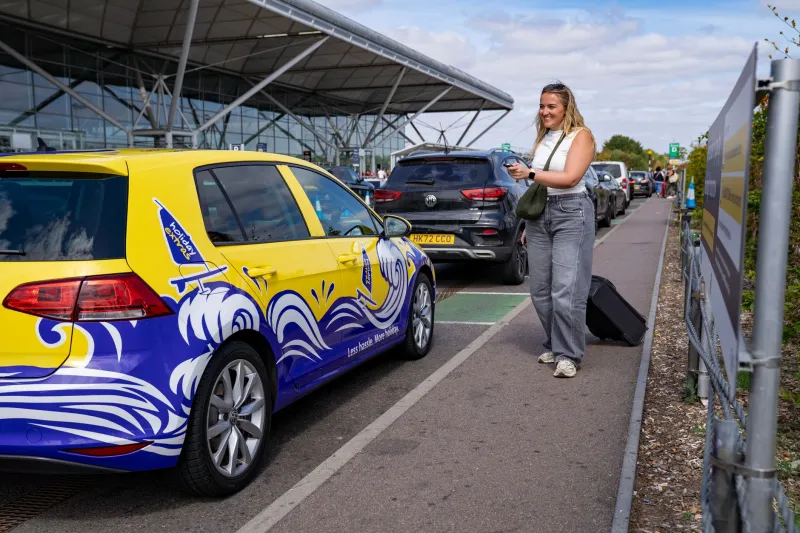
Sea Air, No Car Keys: Liphook to the Isle of Wight by Taxi and Ferry in 2026
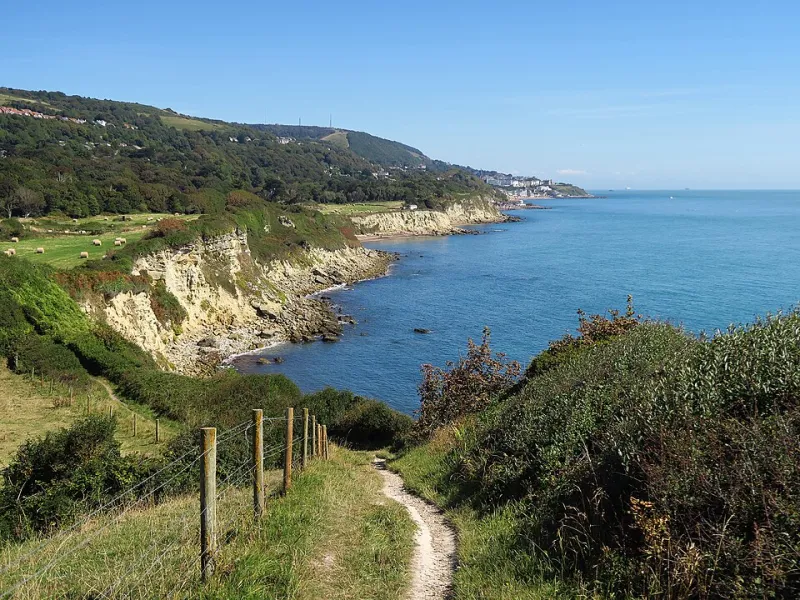
Photo: Michael Coppins, CC BY-SA 4.0, via Wikimedia Commons
There's a moment on every Isle of Wight trip when the car becomes a liability. It's usually somewhere around the ferry queue, engine idling, everyone hungry, and a queue of brake lights stretching back towards the roundabout. The fix is simple: don't take the car at all. From Liphook you're genuinely well placed to do the Island as a foot passenger, and once you've tried it, the drive-and-sail routine starts to feel like a lot of unnecessary effort.
Why the car stays at home
Foot passengers skip the vehicle queue, skip the booking-ahead scramble for car deck space, and skip the parking charges at the other end. On the Island itself, the buses are decent, the Island Line train connects Ryde Pier Head with Shanklin, and taxis are plentiful in the main towns. For a day out or a short break in Ryde, Shanklin, Ventnor or Cowes, a car is often more hindrance than help — especially in high season when half the Island seems to be looking for the same parking space you are.
The trade-off is that you need to be a bit more deliberate about timings. Not stressed, just deliberate.
Two Portsmouth options, one Southampton
From Liphook, Portsmouth is the natural choice. It's roughly 35 to 45 minutes by road depending on traffic, and there are two very different ways to cross.
Wightlink from Portsmouth Harbour is the classic. The catamaran to Ryde Pier Head takes about 20 minutes, and the terminal sits right next to Portsmouth Harbour railway station — handy if part of your group is arriving by train rather than by taxi. It's the fastest and simplest route if you're heading for Ryde, and the Pier Head puts you straight onto the Island Line.
Hovertravel from Southsea is the fun one. Ten minutes of hovercraft and you're in Ryde, and there's something quietly brilliant about skimming across the Solent while everyone else is queueing. The Southsea terminal is a little more tucked away, so allow a few extra minutes on the road.
Southampton is the alternative, and it's worth considering if you're heading for Cowes or the west of the Island. Red Funnel's Red Jet fast service runs to West Cowes in around 25 minutes, while the vehicle ferry goes to East Cowes. From Liphook, Southampton is generally a 50 to 60 minute drive, so it's the longer transfer but a sensible one for certain itineraries. The Lymington to Yarmouth crossing is lovely too, though it's a fair bit further west and rarely the quickest option from our end of Hampshire.
How much buffer is actually enough
This is where most foot-passenger plans quietly fall apart. Not dramatically — just enough to cause a sweaty jog along a seafront.
As a rule of thumb, aim to be at the terminal 30 to 45 minutes before a foot passenger sailing. That covers check-in, a loo stop, and the inevitable moment someone remembers they've left their sunglasses in the taxi.
Working backwards, that means leaving Liphook around 75 to 90 minutes before a Portsmouth crossing, and about 90 to 105 minutes before a Southampton one. Add another 20 minutes if you're travelling in the weekday morning peak, on a summer Saturday, or on the day of a big event at Fratton Park or the Ageas Bowl. The A3(M) is usually well behaved, but "usually" is doing a lot of work in that sentence.
If you're booked on an early sailing, be honest with yourself about the alarm clock. A 7am catamaran means a 5.30am departure from Liphook, and that's fine — it's also the quietest, calmest run of the day.
Bags, buggies and the small print
One of the quiet joys of going on foot is that you're not cramming suitcases around a spare wheel. That said, fast ferries are stricter about luggage than the car ferries are. Large suitcases, bikes and bulky items often need to be declared or may not be accepted on the fast services, so check the operator's allowance when you book rather than at the gate.
Buggies and pushchairs are generally fine but worth flagging. If you're travelling with a group and a mountain of bags, the vehicle ferry is often the more forgiving choice even if you're on foot — you'll have more space and a proper lounge to sit in.
Coming back: the bit people forget
The outbound leg gets all the planning. The return is where the day quietly unravels, usually because someone booked a taxi for the ferry's scheduled arrival time and then the crossing ran twenty minutes late.
Give your driver the sailing time, not the arrival time. We'll track it and adjust. If you're on a late crossing back into Portsmouth, especially on a Sunday, it's worth confirming your pickup before you leave Liphook in the morning rather than trying to arrange something from a windy ferry deck with one bar of signal.
Weather is the other variable. Hovercraft and fast ferries are more exposed to wind and swell than the big vehicle ferries, and cancellations do happen. Build a little slack into the end of the day, and if you're on a tight connection — a train from Portsmouth Harbour, say — consider the car ferry as your fallback.
On the Island without wheels
Ryde, Shanklin, Sandown and Cowes are all easily done on foot, bus or the Island Line. For Ventnor, the Needles or quieter beaches, local taxis and buses will get you there without the parking faff. If you're staying a few days, it's often cheaper and calmer to book a couple of local runs than to bring the car across.
Booking your Liphook end of things
Tell us three things when you book: your ferry operator, your sailing time, and how many of you there are with bags. We'll suggest a pickup time that gets you there comfortably rather than frantically, and we'll do the same for the return. For groups, a larger vehicle is usually worth it — three people with weekend bags in one car beats three separate lifts every time.
That's the whole trick, really. Book the taxi properly, give yourself a sensible buffer, and the Isle of Wight starts the moment you close the front door.